Imagine a world without the printing press, electricity, or the internet. Hard to fathom, isn’t it? These groundbreaking innovations didn’t just appear overnight. They were the culmination of countless smaller ideas, bold experiments, and a relentless pursuit of progress. This article delves into a comprehensive analysis of game-changing ideas across history, exploring their impact, the context in which they emerged, and the lessons we can learn from them.
What Makes an Idea “Game-Changing”?
A game-changing idea fundamentally alters the way we live, think, and interact with the world. It’s not just about incremental improvements; it’s about paradigm shifts that disrupt the status quo and open up entirely new possibilities. These ideas often face resistance initially, challenging established norms and beliefs. But their transformative power eventually overcomes these obstacles, reshaping societies and leaving an indelible mark on human history.
The Printing Press: Democratizing Knowledge
Before Gutenberg’s printing press, knowledge was largely confined to the elite. The laborious process of hand-copying books made them expensive and inaccessible to the masses. The printing press democratized knowledge, allowing for the mass production of books and the spread of literacy. This, in turn, fueled the Renaissance, the Reformation, and the Scientific Revolution, fundamentally changing the course of Western civilization. As historian Elizabeth Eisenstein noted, the printing press was a “revolutionary force” that reshaped the intellectual landscape of Europe.
Electricity: Powering the Modern World
The harnessing of electricity revolutionized every aspect of human life. From lighting our homes to powering our industries, electricity became the lifeblood of the modern world. It enabled the development of new technologies, from the telegraph and telephone to the computer and the internet, connecting people and information in unprecedented ways. Consider Thomas Edison’s famous quote: “We will make electricity so cheap that only the rich will burn candles.” This exemplifies the transformative potential of this game-changing idea.
The Internet: Connecting the Globe
The internet, perhaps the most transformative invention of the late 20th century, has connected billions of people across the globe. It has democratized access to information, fostered global communication, and created new avenues for commerce and innovation. As Bill Gates predicted, the internet has become “a town square for the global village.” It has fundamentally altered how we learn, work, and interact with each other, creating a truly interconnected world.
Identifying Patterns in Game-Changing Ideas
While each game-changing idea is unique, certain patterns emerge when we examine them collectively. Often, they arise at the intersection of different disciplines, combining existing knowledge in novel ways. They also tend to be driven by a deep understanding of human needs and a desire to solve pressing problems. Furthermore, they often rely on collaboration and the sharing of ideas, highlighting the importance of open communication and intellectual exchange.
The Role of Necessity and Serendipity
Necessity is often the mother of invention, and many game-changing ideas have emerged from a desire to address specific challenges. The invention of the wheel, for example, revolutionized transportation, addressing the need to move goods and people more efficiently. However, serendipity also plays a role. Many breakthroughs have occurred unexpectedly, as a result of accidental discoveries or unexpected connections. Alexander Fleming’s discovery of penicillin, a life-saving antibiotic, is a prime example of this.
The Importance of Context
The success of a game-changing idea is also heavily influenced by the context in which it emerges. Social, economic, and political factors can either facilitate or hinder the adoption of new ideas. The printing press, for example, flourished in a time of growing literacy and intellectual curiosity. Similarly, the internet emerged in an era of rapid technological advancement and globalization.
Lessons for the Future
Studying game-changing ideas from the past can offer valuable lessons for the future. It reminds us of the power of human ingenuity and the potential for innovation to solve global challenges. It also highlights the importance of fostering creativity, embracing change, and investing in research and development. As Albert Einstein wisely said, “Imagination is more important than knowledge.” It is this very imagination that fuels the game-changing ideas that shape our world.
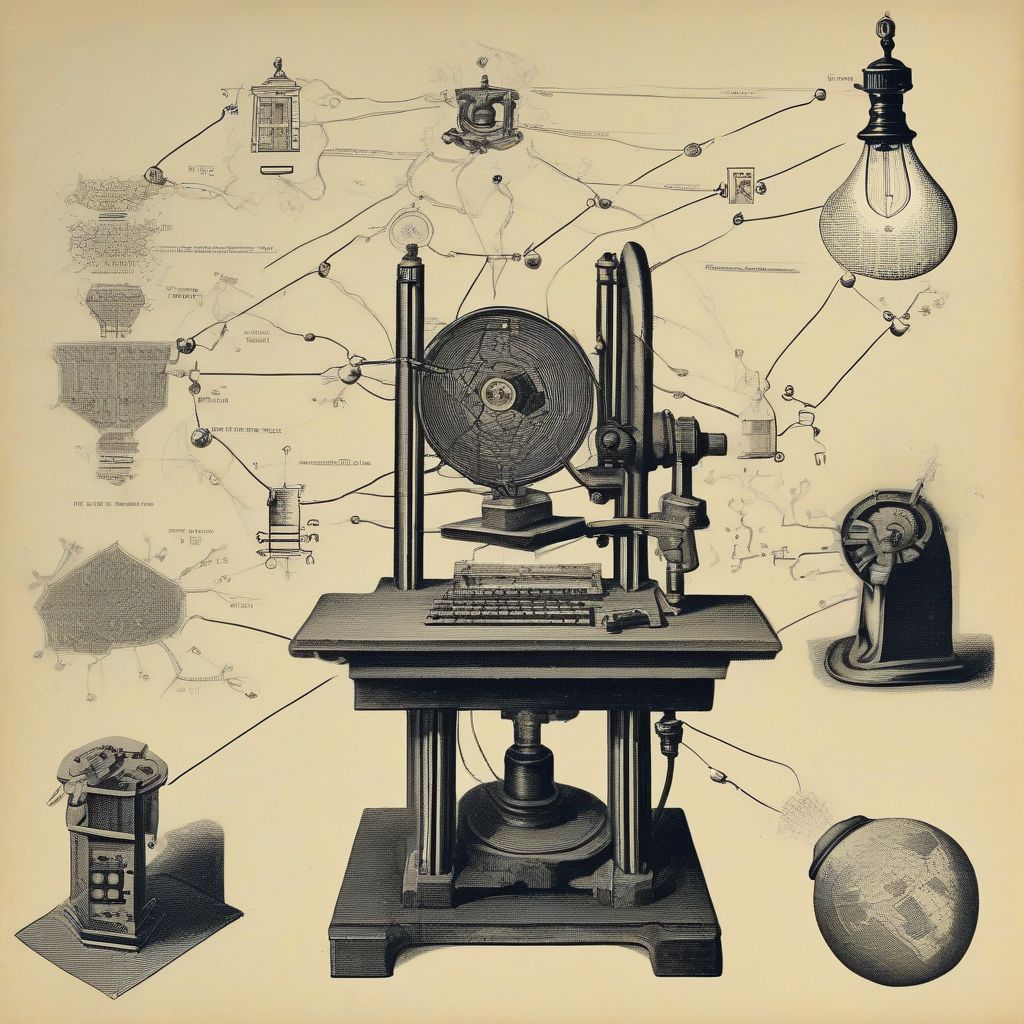 Game-Changing Ideas Throughout History
Conclusion
From the invention of the wheel to the development of the internet, game-changing ideas have shaped the course of human history. They have transformed the way we live, think, and interact with the world. By studying these transformative innovations, we can gain valuable insights into the nature of progress and the factors that drive meaningful change. What game-changing ideas will shape the future? Only time will tell. But by embracing creativity, fostering collaboration, and investing in innovation, we can pave the way for a brighter and more prosperous tomorrow. Share your thoughts on the most impactful innovations in the comments below! What innovations do you think will shape the future?
No products found.